WHERE HUMANS AND NATURE COLLIDE

Sunday, 3 February 2013

Bioremediation of used motor oil

What happens to used motor oil after it leaves our cars? That's a question that many of us don't stop to ask, but hopefully the answer is that it is taken to a recycler to be cleaned for future reuse. However, even if the oil handled in the most responsible way possible, chances are that a bit gets dribbled on the ground during the transfer from car to container. Places such as car dealerships and body shops will likely see a number of these dribbles over the years, potentially leading to an unhealthy buildup of oil residues in nearby soils. Some of this buildup may remain local, but some can dissolve in water and make its way into the tissues of plants and animals--where the heavy metals it contains can wreak havoc on their health and fitness.

(Changing motor oil. Image courtesy of Motorcycles Online.)


There are a number of options available for cleaning up oils before they can do too much damage, but these may have drawbacks: Some are quite expensive, others may have negative ecological side effects, and still others may simply remove oil from one location to another. One of the most promising genres of treatment is bioremediation, or the use of microorganisms that metabolize pollutants and release harmless end products in their place. This process can be facilitated by encouraging the growth of indigenous bacterial species (biostimulation), adding new species to the contaminated site (bioaugmentation), and/or altering environmental conditions to speed the growth of bacterial colonies. Although this sounds fairly straightforward, it is still necessary to identify the conditions under which microorganisms can most efficiently clean contaminated soils.

This was the goal of a team of Nigerian researchers who recently utilized aerobic fixed bed bioreactors to investigate the efficacy of six different bioremediation techniques. Their findings, published in the most recent edition of Bioremediation & Biodegradation, indicate that biostimulation may be the way forward--though they admit that further work will be necessary to hone their "recipe" and develop a larger-scale system for decontaminating large amounts of soil.

(Bacillus subtilis, a microorganism commonly found in oil-contaminated soil. Image courtesy of Wikipedia.)


The team's research utilized samples collected from a Nigerian auto repair shop--one of several locations surveyed in a preliminary study exploring the "similarities and major differences in physicochemical and microbiological characteristics" of polluted soils. All samples were moistened with water, but other aspects of their preparation differed markedly. Some were subjected to heat sterilization in order to kill off endogenous (Bacillus subtilis and Micrococcus leteus) bacteria, others were given a dose of exogenous bacteria (B. subtilis and Pseudomonas aeruginosa), some received nutrient-rich fertilizers, and others experienced some mixture of these treatments.

The researchers prepared a total of six samples, all of which were placed in separate aerobic fixed bed bioreactors--or, in other words, oxygen-containing containers that remained stationary for the duration of the 70-day experiment. Every 10 days, the team collected measurements reflecting soil conditions, bacterial activity, and success of the bioremediation effort. While readings on temperature, moisture content, and pH were all useful for confirming that the bioreactors were facilitating the optimal environment for bioremediation (26-32 C, 10-20% w/w, and 5.5-8.5), perhaps the most exciting results were those indicating the extent to which the bacteria actually removed oil from the soil.

(Example of a bioreactor. Image courtesy of Wikipedia.)


Petroleum hydrocarbon levels decreased in all six treatment groups, from a range of 169-326 down to 54-129 mg/kg dry weight; this represents a change of 49-72%. The greatest decreases were seen in treatment group 3 (soil + heat sterilization + water + exogenous bacteria) and treatment group 6 (soil + water + two different fertilizers), while the least amount of change was observed in the control group (soil + water + heat sterilization). Motor oil can have fairly low levels of petroleum hydrocarbons, and so a better measure of bioremediation success is change in oil and grease content. When the researchers examined this metric, they again found that treatment group 6 was a top performer, experiencing a 75% reduction (38,592 to 9,830 mg/kg dry weight) over the course of the study. For all soil samples, speed of removal was highest during the first five weeks of the study, after which it slowed markedly.

Based on their findings, the research team concluded that a full-scale bioremediation technology should involve the conditions found in their sixth treatment group. However, they also suggest that they might be able to further optimize their method by adjusting moisture content and, especially, experimenting with different types of fertilizer; while they dosed their samples with NPK and KH2PO4, alternative varieties might improve the efficiency of hydrocarbon removal.

---
Abdulsalam S., Adefila S.S., Bugaje I.M., and Ibrahim S. 2013. Bioremediation of soil contaminated with used motor oil in a closed system. Bioremediation & Biodegradation 3(12):1000172.


Monday, 10 December 2012

Cigarettes can be healthy...for birds


The negative impacts of cigarettes, on both smokers and those around them, are widely known. While some effects may only be cosmetic (wrinkling, yellowing of the skin), others, such as cancer, can be fatal. According to a team of Mexican researchers, however, cigarette smoking can be beneficial to at least one group: urban birds. The benefit, unsurprisingly, does not come from actually smoking the cigarettes, but instead from incorporating discarded butts into nests. There, chemical residues in the cigarette fibers appear to act as repellents that keep parasites away from vulnerable nestlings

(Male house sparrow, Passer domesticus. Image courtesy of Redbridge Birdwatching.)


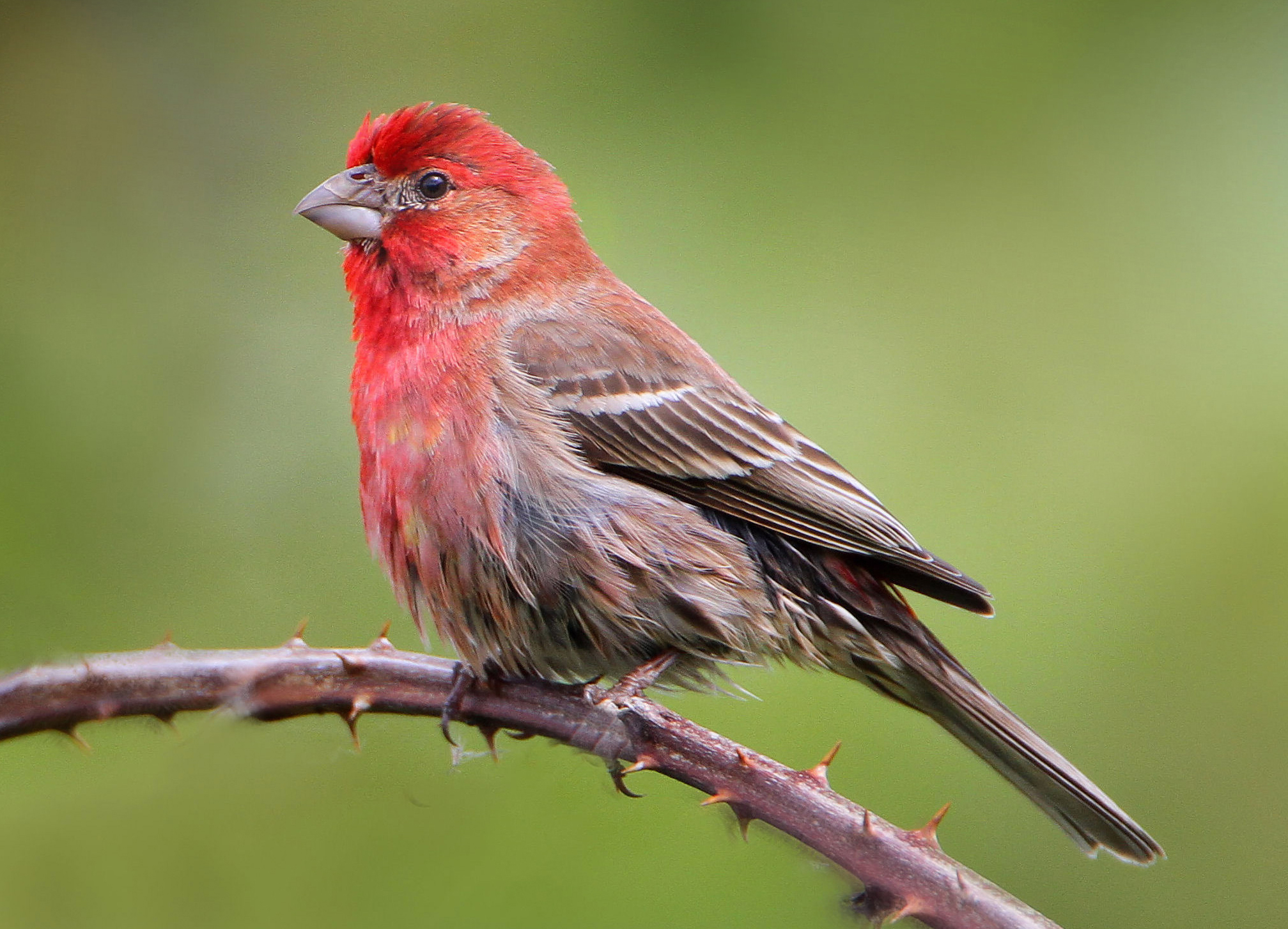
These unusual and surprising findings, published in the journal Biology Letters, were the result of an undergraduate research project conducted on the campus of the National University of Mexico in Mexico City. The project was undertaken after researchers noted the presence of cigarette butts in nests of urban-dwelling house finches (Carpodacus mexicanus) and house sparrows (Passer domesticus). Similar patterns have also been reported in other species and locations, prompting the scientists to wonder whether the inclusion of the butts was deliberate. This seemed particularly likely given the fact that nicotine, one of the dominant chemicals in cigarettes, is known to repel ectoparasites—parasites that live on the surface of the body. In fact, both poultry and rabbit farmers use nicotine as an organic method of parasite control.


To investigate whether the urban birds had also begun to employ nicotine as a pesticide, the researchers performed both experimental and observational work. For the experimental portion of the study, nests of both species were located and fitted with thermal traps designed to attract ectoparasites by mimicking the heat signatures of potential hosts. Cellulose cigarette fibers—from either smoked or unsmoked cigarettes—were attached to the heating component of each nest, and a strip of adhesive was placed next to the heaters in order to capture all approaching parasites. The researchers hypothesized that they would find fewer parasites near the heaters fitted with smoked cigarette fibers, since these materials contained a higher proportion of pesticidal chemicals. Indeed, they found that parasites were not only more scarce at these nicotine-treated sites, but, in some cases, were nearly 6 times less likely to appear.

(House finch, Carpodacus mexicanus. Image courtesy of Wikimedia.)


Once the experiments were complete, the research team waited until the birds had finished breeding and then returned to harvest the empty nests. These were weighed and then dissected; each nest’s cellulose content was measured, and all ectoparasites were counted and identified. Assuming that cigarette butts act as a repellent, the scientists expected to find fewer parasites in nests with more butts. The majority of nests of both house sparrows and house finches contained bits of discarded cigarettes. Interestingly, while butts were more likely to be found in nests of the former (89% vs. 86%), they were found in higher quantities in nests of the latter (an average of 10 vs. 8 per nest). Both species suffered from similar rates of parasite infestation, and, as predicted, parasite abundance was negatively related to the presence of cigarette fibers.


The results indicate that the nicotine-laced cellulose deters parasites—and, further, suggest that the birds may be selecting these building materials on purpose. You might think that would require a bit more thoughtfulness than is possessed by the average songbird, but this is not the first time they have shown such an ability. Several other species, including both European starlings (Sturnus vulgaris) and tree swallows (Tachycineta bicolor), are known to deliberately incorporate green plant materials into their nests; like cigarettes, these botanical building blocks contain compounds that repel parasites.


(A bird nest incorporating cigarette butts. Image courtesy of Ignorance is Bliss.)


Thus, the use of the cigarette butts appears to be “an urban manifestation of a pre-existing behavior”—or, to quote the title of the paper in which these results were presented, the use of “new ingredients for an old recipe.” The sparrows and finches appear to be using the recipe to “self-medicate,” though for this to be proven definitively, further work will be required. Specifically, while it is clear that the cigarette butts reduce the likelihood of parasite infestation, it is still necessary to show that the birds are purposely selecting these items for inclusion in their nests, and that use of the butts improves the birds’ reproductive success.


The research team has suggested several additional studies that could help them identify whether the cellulose might serve another purpose (such as providing insulation) and also whether the toxic residues in the fibers might have negative effects on nestlings. These data will reveal whether—in the case of birds, at least—cigarettes can sometimes do more good than harm.


---
 Suarez-Rodriguez, M., Lopez-Rull, I., and Garcia, M.C. 2013. Incorporation of cigarette butts into nests reduces nest ectoparasite load in urban birds: new ingredients for an old recipe? Biology Letters 9(1): online advance publication.


 You can also find Anthrophysis on Facebook and Pinterest, or follow Caitlin (the "Anthrophysist") on Twitter.


Traffic noise causes communication breakdowns

In a perfect world, communicating animals would always be capable of hearing each other's signals and responding appropriately. In the real world, however, the environment is filled with interfering sounds such wind, rainfall, other species' vocalizations, and, increasingly, anthropogenic noise. Under these conditions, lucky animals may be able to respond to a signal when they should, and avoid responding when they shouldn't. However, some individuals might accidentally miss out on hearing an important signal, or react to one that hasn't even been given. While these mistakes might not always have repercussions, there might be times--especially when a predator is involved--when they could mean the difference between life and death.

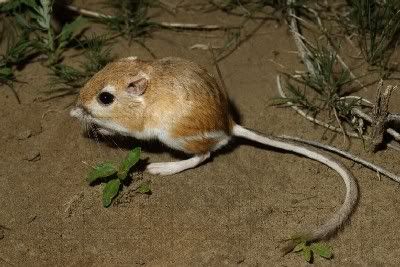
(A Stephens' kangaroo rat, Dipodomys stephensi. Image courtesy of activerain.)


This is a possibility that has only rarely been studied experimentally and (as far as this author knows) has never been investigated in mammals--until now. A team of American researchers has just reported findings from a field study of endangered Stephens' kangaroo rats (Dipodomys stephensi) living near noisy roadsides in California's Southwestern Riverside County Multispecies Reserve. Their results indicate that human noise pollution can cause the rats to make both of the communication errors mentioned above. As a result, the researchers worry that these nocturnal animals, which rely on acoustic signals to "coordinate social interactions...in a variety of contexts," may suffer from the introduction of human noise pollution into their habitats.

The researchers explored the effects of acoustic pollution by recording both signals and noise at roadside rat burrows. In this case, the signals were footdrums, or thumps made by the rats as they rapidly stamp one foot against the ground; a series of these is known as a "footroll." These low-pitched sounds travel well through both air and soil, and are therefore audible to rats that are outdoors and to those that are holed up in their subterranean burrows. In order to compare the acoustic properties of footdrums to those of traffic noise, the researchers also recorded car traffic at distances of both 10 and 25m from the edge of the road. They then used acoustic analysis software to quantify a variety of characteristics in both sets of recordings (minimum, maximum, and fundamental frequency, plus total bandwidth), and investigate similarities in the two types of sound. In other words, they examined the likelihood that noise pollution might "mask" kangaroo rat communication.

(A view of the Southwestern Riverside County Multispecies Reserve. Image courtesy of Gossamer Tapestry.)


The scientists also conducted a series of playback experiments during which wild rats were exposed to recordings of footrolls. These signals were played during three different types of ambient noise conditions: a no-noise control, traffic noise, and cricket chirps (high-pitched noise that should not mask rat footdrums, but should still elicit any interesting responses to noise in general). Rat behavior was observed throughout each trial so that the researchers could determine whether the animals were impacted by any type of environmental noise (i.e., traffic and crickets vs. control), and also whether one type of noise was particularly disruptive to communication (i.e., traffic vs. crickets).

Across the 39 footdrum recordings collected, all four frequency characteristics were similar to those measured for the traffic recordings. For example, the minimum and maximum frequencies of footdrums were found to be 126 and 352 Hz (respectively); for traffic noise, these values were 118 and 371 Hz. In other words, both signal and noise have quite similar acoustic properties, increasing the likelihood that kangaroo rats will make mistakes while communicating.

Indeed, rats exposed to traffic sounds during the playback experiments seemed aware of the fact that the noise pollution could impair their ability to hear. Even before any footdrumming recordings were broadcast into the experimental chamber, the noise-exposed individuals spent more time alert; they also delivered more signals, themselves. While rats in the control and cricket treatments immediately responded to footdrums when they were broadcast, animals in the traffic treatment tended not to alter their behavior; they also continued to footdrum for no apparent reason. Thus, they not only failed to detect actual signals amidst the din of noise pollution, but they also sometimes interpreted the footdrum-like traffic noise as a signal from another rat that wasn't even there.

(A Stephens' kangaroo rat in the entrance to its burrow. Image courtesy of the L.A. Times--which also featured an article about whether the rats act as a "barrier to development.")

Cumulatively, these results suggest that kangaroo rats should--and do--have difficulty discriminating between signals and traffic noise. This could have several negative impacts on both individual animals and the entire population. Rats that accidentally interpret traffic as signal might waste energy producing a footdrum; further, this highly audible response might make them more obvious to predators such as owls or cats. Additionally, animals whose signals are not heard may fail to defend their territories or attract mates, and may therefore have lower reproductive success.

This is bad news given that the rats have already suffered significant habitat losses. Until these recent findings were reported, researchers had thought that roadsides were actually beneficial to this species since they offered individuals the perfect substrate for digging burrows. Noise pollution, however, may cause this anthropogenic habitat to serve as a trap rather than a refuge. One glimmer of hope is offered by previous studies of avian species living in similarly noisy habitats: In order to escape acoustic masking, some birds can improve communication by altering their signal properties (e.g., pitch, volume, timing). Though it may not be easy or likely, it is possible that the Stephens' kangaroo rats might eventually learn to drum more rapidly or more intensely; given enough time, the species might even evolve better hearing so that noise-exposed individuals are more capable of discriminating between traffic and footdrum.

---
Shier, D.M., Lea, A.J., and Owen, M.A. 2012. Beyond masking: endangered Stephens' kangaroo rats respond to traffic noise with footdrumming. Biological Conservation 150:53-58.

More from Anthrophysis on Facebook, Pinterest, and Twitter.

Thursday, 6 December 2012

Is sustainable seafood healthy--and vice versa?

There are many reasons to watch what you eat--nutritional value, chemical use during growth or preparation, carbon footprint, and any number of other factors related to a food's healthfulness and ecological impact. For consumers feeling overwhelmed by all these concerns, there is good news in a recent issue of Frontiers in Ecology and the Environment: A trio of American researchers has revealed that some supermarket choices allow consumers to simultaneously achieve multiple goals. Specifically, the scientists report that seafood lovers can reap health benefits from fish while also promoting sustainable fishing.

 (Atlantic pollock--healthy and sustainable. Image courtesy of Fish Watch.)

The research team initiated their study after noticing a number of public health campaigns about seafood and wondering whether the ads might be at cross purposes. Most of the education efforts focused on one of three issues: sustainability, fish nutrients (omega-3 fatty acids, in particular), and toxins. Sustainability is, of course, a positive characteristic; so is a high level of omega-3 fatty acids, which can, among other things, improve heart health. Toxins, including heavy metals and polychlorinated biphenyls (PCBs), have long been recognized as a drawback of seafood consumption. So what if consumers, in response to public awareness campaigns, buy unhealthy fish in an attempt to improve sustainability, or purchase unsustainable catch in an effort to be more healthful?

The current work aimed avoid this by determining the amount of overlap between these three characteristics. The researchers collected information on the traits from pre-existing datasets. For example, they utilized fishery sustainability rankings calculated by the Monterey Bay Aquarium and Blue Ocean Institute; another important source of information was FishBase, which provided data on each species' risk of becoming extinct as a result of being fished. Health benefits were measured as a function of omega-3 fatty acid concentrations, while mercury (one of the most extensively researched seafood toxins) was used to indicate health risk.

(A haul of orange roughy--a species that possesses high mercury levels and has been overharvested. Image courtesy of Southern Fried Science, which features an interesting article about whether these fish can ever be harvested sustainably.)


When they looked for relationships between each of these variables, the scientists discovered that the most unsustainable species were generally also those that had the highest levels of mercury contamination; further, there were no clear health benefits of these vulnerable fish. Species featured on the resulting "red list" include many tunas, swordfish, and several varieties of Pacific rockfish. Happily, the even longer "green list" features a number of healthier and more sustainable alternatives, including pollock, sole, and plaice. Since science is rarely ever black and white (or, in this case, red and green), the project also yielded a "gray list." This contains the names of several species for whom the sustainability-health relationship was more complex--animals with healthier populations but also high mercury levels, for instance. Still, this list is quite a bit shorter than the other two--both of which offer clear and useful advice for consumers looking to make purchases that are good for their own health and that of the wider ecosystem.

The researchers caution, however, that some of their information came from sources that are a few years old; it will be important to update their datasets and re-run the analyses periodically in order to generate up-to-date advice. This will be particularly vital for the data on each species' population numbers and vulnerability, since these are likely to fluctuate as ever more consumers seek the healthiest products available. There were also several species that were left out of the analysis because data were not available for all three metrics. Again, it would be valuable to re-run the analysis when and if these data are ever collected, since this information could provide further guidance on which fish can be safely eaten, and which should be avoided.

---
Gerber, L.H., Karimi, R., and Fitzgerald, T.P. 2012. Sustaining seafood for public health. Frontiers in Ecology and the Environment 10(9):487-493.

Supplementary photos can be found on the Anthrophysis board over at Pinterest.

You may also want to check out the Anthrophysis Facebook page!

Tuesday, 4 December 2012

Patchy fishing efforts can create elasmobranch refugia

Elasmobranchs--sharks, rays, and skates--are among the most endangered of marine organisms, with approximately one-third of all species considered either threatened or near threatened. Fishing is the biggest threat to these animals, many of which are either targeted deliberately or are caught accidentally after becoming entangled in fishing equipment. It also doesn't help that they tend to have slow reproductive rates and inhabit areas that are being degraded or destroyed.

(A flapper skate, or Dipturus batis. This elasmobranch resident of the Celtic Sea is classified as critically endangered. Image courtesy of Arkive.)


One of the most popular techniques for elasmobranch conservation--and, indeed, for the conservation of many marine species--is the creation of marine protected areas, or MPAs. These offer wildlife a refuge where human activities are diminished or completely abolished. While MPAs have clear benefits for predominantly sessile species such as barnacles or tube worms, they may not be as effective for mobile species such as elasmobranchs; after all, sharks and their kin can quite easily swim into nearby unprotected waters where they may become bycatch.

In a new study on elasmobranchs living in the Irish Sea, a team of Irish and British scientists report that MPAs likely can protect sharks, rays, and skates, but only if the locations of the protected areas are chosen wisely. Specifically, they suggest that "de facto refugia," or naturally occurring areas where low fishing intensity overlaps with high elasmobranch density, would make very useful MPAs. In fact, they identified one such area in the northeastern portion of the Celtic Sea, where the seabed's frequently shifting sands render trawling both "inefficient and unpredictable." The general lack of fishing here--despite the area's close proximity to a port and its fairly good returns on fishing effort--has allowed elasmobranchs to flourish. Elasmobranch diversity and abundance in this habitat could be threatened by future changes to fishing policy encouraging fishermen to utilize this area more fully. Thus, creation of an MPA here would not only protect a habitat that is clearly useful to elasmobranchs, but would also ensure that it continues to act as a refuge over the long term. Since the area is already neglected by the bulk of fishermen, managers probably wouldn't need too much money or manpower to maintain the MPA boundaries, plus they likely wouldn't hear too many complaints.

(A spiny dogfish, or Squalus acanthias. This species, which can be found in heavily fished areas of the Celtic Sea, is listed as vulnerable on the IUCN Red List. Image courtesy of Fish Index.)


Researchers and managers associated with other marine habitats should be pleased to know that the methods used for the current study were relatively simple and easy to apply to other systems. The scientists utilized data collected during the Irish Groundfish Survey, a standardized bottom-trawl survey that has been conducted annually since 1997. This dataset allowed them to keep track of the total number of individuals observed, species identity (and, therefore, density and overall richness of elasmobranchs), and body size. They also examined vessel monitoring system (VMS) records in order to assess where Irish fishermen spent the bulk of their time, and how productive those areas were. The researchers' final models controlled for environmental variables such as biogeographic region, seabed substratum, water depth, and exact latitude/longitude.

As for the future of this particular refuge in the northeastern portion of the Celtic Sea, the scientists recommend further studies exploring how/why the habitat contributes to elasmobranch biomass and richness. It may act as a nursery, giving juveniles shelter during a time when they are too small and weak to adequately defend themselves. It could also protect breeding adults and give them the opportunity to produce more and/or healthier young. It is important to understand these dynamics in more detail, since differential survival of particular age/sex/size classes can influence metapopulation structure--or, in other words, have cascading effects on elasmobranch populations throughout the region.

---
Shephard, S., Gerritsen, H., Kaiser, M.J., and Reid, D.G. 2012. Spatial heterogeneity in fishing creates de facto refugia for endangered Celtic Sea elasmobranchs. PLoS ONE 7(11):e49307.

Also thanks to the following for additional background information:
Polidoro, B.A., Livingstone, S.R., Carpenter, K.E., Hutchinson, B., Mast, R.B., Pilcher, N., Sadovy de Mitcheson, Y., and Valenti, S. 2008. Status of the world's marine species. In: J.C. Vie, C. Hilton-Taylor, and S.N. Stuart (eds.). The 2008 Review of the IUCN Red List of Threatened Species. IUCN, Gland, Switzerland.

Sunday, 2 December 2012

Paleoecological research uncovers historical effects of humans on corals

Although we know that humans have had a significant impact on the environment and the species that dwell within it, we don't always have detailed information on when our influence was first felt, or how the effects of our activities interact with those caused by other types of perturbation. As a result, it can be difficult to establish goals associated with conservation and management efforts. For instance, if we are trying to return an ecosystem to a pre-disturbance baseline, how do we know what that baseline actually is?

(NASA image of Pelorus Island, located off the northeastern coast of Australia. Image courtesy of Tageo.)


To help answer this question for corals in Australia's Great Barrier Reef, a group of researchers recently surveyed both living and dead coral assemblages at three sites around Pelorus Island, an inshore reef located near the outlets of both the Herbert and Burdekin Rivers. Since the late 19th century, when Queensland was colonized by Europeans (and their associated livestock and agricultural crops), the rivers have delivered altered levels of sediments, nutrients, and herbicides to the Australian shore--and the corals located along it. During the recent study, researchers collected paleoecological data in order to determine the impacts of these anthropogenic influences on coral growth.

Specifically, they sent scuba divers underwater to survey both living and dead coral assemblages. The divers noted the identity, percent cover, and growth morphology of the corals. They also gathered samples of dead corals that could later be examined with computed axial tomography (CAT) scans, which can provide information on the age of each coral colony. Finally, the researchers scoured the scientific literature for information on historical climate, weather, and hydrological patterns that might have been associated with fluctuations in coral communities and growth over time.

(Australia's Great Barrier Reef. Image courtesy of GreatBarrierReef.org.)


Cumulatively, the data suggested that the Pelorus Island corals had successfully weathered a series of environmental perturbations over the years, but that they were unable to combat anthropogenic disturbances. The oldest of the three study sites was dated to the mid-3rd century; its younger neighbors sprang up in the mid-9th and early 16th centuries. While Acropora coral species dominated the reefs for several hundred years, the researchers documented a shift occurring somewhere between 1920 and 1955: Acropora were replaced with Porites, Montipora, Pavona, Millepora, and Echinopora species, with exact assemblages varying depending on the site. The researchers also observed different growth morphologies emerging over time, with modern Acropora appearing much thinner and less branched than their ancestors. This suggests that the corals had tried but failed to regenerate themselves after an environmental disturbance.

This is also indicated by the paleoenvironmental data, which revealed that the coral colonies experienced two decades of cool temperatures just prior to the beginning of their collapse; this was followed by a drought and an increase in both cyclone activity and water flow from the nearby rivers. None of these things would have been pleasant for the corals, but none of them should have been insurmountable, either. Corals are actually fairly good at recovering from "acute" environmental stressors such as weather events--except, that is, when they are also dealing with chronic stressors. In this case, the chronic stressors were influxes of chemicals resulting from human use of fertilizers. The researchers reported that nutrient flows are thought to have increased anywhere from 2.1- to 19.5-fold since European colonization, and, in particular, from 1930 onwards. Thus, in the early 20th century, corals near the Herbert and Burdekin Rivers were exposed to abnormally high amounts of sediment, herbicides, and nutrients, all of which disrupted the delicate balance of the coral ecosystem.

(An Acropora species--also sometimes known as staghorn coral. Image courtesy of Coralpedia.)


These results highlight that even the most resilient and hearty of species have limits on how many, and what type of, environmental stresses they can tolerate. Further, given the current differences observed in coral assemblages growing at the three closely situated study sites, it appears that there can be extremely fine-scale variations in how ecosystems will respond to the same set of environmental conditions. This, in turn, suggests that researchers and managers should be cautious about making generalizations about particular localities--such as "Pelorus Island" or "The Great Barrier Reef"; these might be overly simplistic and fail to take into account important local dynamics. Finally, the scientists point out that this sort of paleoecological work is very useful for more accurately determining the "baselines" to which disturbed systems should be returned. Monitoring at the Pelorus Island reefs only began in the 1980s; thus, researchers were previously unaware of how the coral colonies looked before their early-20th-century collapse. Additional paleoecological work at this and other sites should help conservationists make more appropriate targets for preservation and reclamation plans.

---
Roff, G., Clark, T.R., Reymond, C.E., Zhao, J.-x., Feng, Y., McCook, L.J., Done, T.J., and Pandolfi, J.M. 2013. Palaeoecological evidence of a historical collapse of corals at Pelorus Island, inshore Great Barrier Reef, following European settlement. Proceedings of the Royal Society B 280: online advance publication.

For more on the natural history corals, check out Episode 18 of my weekly science radio show, the Wild Side (Part I, Part II).

You can also find Anthrophysis on Facebook and Pinterest.

Thursday, 1 November 2012

Artificial lighting has very real effects on invertebrates

Researchers estimate that artificial lighting is increasing at a rate of 6% each year around the world. This could dramatically reduce the amount of "naturally unlit habitat" available to wildlife, and have significant impacts on organisms that have evolved to deal with specific characteristics and regimes of light. By altering how much light is present in a habitat, where it occurs, how bright it is, what wavelengths it contains, and when it illuminates the environment, we might inadvertently impact a variety of wildlife traits, including behaviors (such as foraging, navigation, and communication), physiology (including cyclical release of hormones and other important chemicals), and interactions with other species. In fact, researchers have already gathered evidence indicating that light pollution does effect these characteristics in at least some species. Until recently, however, scientists had no information on whether artificial lighting might alter higher-level processes, such as the formation of animal communities.

(Image courtesy of Redlands Labour.)

Last summer, a team of researchers from the University of Exeter's Environment and Sustainability Institute investigated these potential higher-level effects of light pollution using an elegantly simple study design: Over a period of three days and three nights during the annual peak of insect abundance, they set out traps to collect invertebrates utilizing habitat either under street lamps or in unlit areas between two neighboring streetlamps. Traps were emptied twice a day: 30 minutes before sunrise, and again 30 minutes before sunset. This allowed the researchers to determine whether the street lamps were having a permanent impact on invertebrate communities, or whether differences were only found at night, when the lamps were switched on and were actively attracting insects from the neighboring habitat.

The scientists performed several different analyses on their data. First, they looked for differences in invertebrate abundance (measured as the total number of individuals caught per trap over the entire sampling period) between the lit and unlit patches. Second, they performed a similar analysis that took into account invertebrate community composition--in other words, not just how many organisms were caught, but what species those animals belonged to. Third, they quantified the amount of vegetation present around each trap in order to determine whether the lights were directly impacting invertebrate communities, or whether the lights were having an indirect effect by altering vegetation under each street lamp. Finally, in order to get a clearer idea of how the effects of light might impact ecosystem structure and function, they classified all trapped invertebrates more broadly, both taxonomically speaking ("harvestmen," "mites," "amphipods," etc.) and trophically speaking ("predators," "scavengers," parasites," etc.), and again tested for differences between the two types of patch.

(Example of a pitfall trap similar to those used in the current study. Image courtesy of INHS.)

The results of their work, published this autumn in the academic journal Biology Letters, were pretty emphatic. Their final analysis included data from 1,194 ground-dwelling invertebrates from 60 different taxa. On average, traps directly under the street lamps caught significantly more species (+ 5) than traps between the lamps; likewise, composition of invertebrate communities was significantly different in lit and unlit areas. These patterns were found both during the day and at night, indicating that street lamps not only impact vertebrate communities, but also that they do so permanently, and not just when they are turned on at night.

Five taxonomic groups (harvestmen, ants, ground beetles, woodlice, and amphipods) were more abundant in lit patches. For the first three of these groups, this relationship was independent of time, suggesting--again--that the lights have a permanent effect on invertebrate communities. Unfortunately, woodlice and amphipods were only captured at night, and so there is no way to determine whether they, too, are consistently more common in illuminated patches. Results of the trophic analysis also revealed long-term effects of streetlamps: Predators and scavengers were both more common under the lights, both during the day and at night.

(A harvestman, one of several taxonomic groups more common under street lamps. Image courtesy of FCPS.)


In addition to revealing the powerful effects of anthropogenic light pollution on invertebrate communities, this study is also the first to show that ground-dwelling invertebrates--and not just their aerial relatives--are attracted to human lighting. The next obvious question is whether the effects of these community shifts can be felt by organisms other than the invertebrates themselves. In order to explore this possibility, it may be particularly interesting to research the effects of light on trophic interactions, since invertebrates are an essential dietary component of many species (and, of course, are also consumers, themselves). Should this light-mediated community restructuring have wider ecosystem impacts, it will be important to identify these and determine whether they might alter essential ecosystem services provided to humans.

As researchers continue to explore the relationships between light pollution and wildlife, they will need to keep up to speed with changes in artificial lighting technology. Variations in bulb and lamp design can impact the wavelengths of light emitted, the brightness of the resulting glow, and the total area of the environment that is illuminated by light pollution. Each of these factors can contribute to the impacts of human light sources on wildlife and species assemblages.

---
Davies, T.W., Bennie, J., and Gaston, K.J. 2012. Street lighting changes the composition of invertebrate communities. Biology Letters 8:764-767.