WHERE HUMANS AND NATURE COLLIDE

Monday, 27 May 2013

The power of historical ecology: a case study in Cape Cod's wetlands

Since the colonization of North American in the 17th century, few ecosystems have been so routinely and extensively disturbed as the salt marshes of Cape Cod. Among other things, residents have dug drainage ditches throughout the wetlands in order to make them less habitable to mosquitoes; developed the shoreline to facilitate the introduction of industrial, maritime, and residential facilities; and harvested huge numbers of edible wildlife off the coast. Over the past century or so, the human population has increased by approximately six-fold, placing extreme pressure on the wetland habitat. The most recent evidence of this burden is the spread of salt marsh die-offs, or "loss of foundation plant species to herbivores as a result of trophic dysfunction." Besides being unattractive, these die-offs threaten biodiversity and ecosystem function and may compromise the structural integrity of the wetland habitat.

Cape Cod wetlands. Image courtesy of Ms. Hanna's Room 202.
Researchers are scrambling to understand what caused these die-offs, how they may be exacerbated by current activities, and what we can do in the future to stem or reverse their spread. Cumulatively, these goals are at the heart of a relatively new scientific field called "historical ecology." Recognizing that ecological interactions can be quite complex and take many years to have noticeable effects on the environment, historical ecologists seek to use information from a variety of sources (including, for example, tree rings and soil cores) to reconstruct an ecosystem's experiences. Armed with these data, they can figure out the chain of events that resulted in contemporary problems--and, hopefully, suggest relevant management solutions.


These were the goals of a New England research team that recently utilized a series of aerial photographs to analyze the effects of anthropogenic disturbance on Cape Cod wetlands between 1939 (the date of their first photograph) and 2005. They obtained a total of 12 images (from 1939, 1976, 1994, and 2005) that they could use to track the state of the wetland over the years; their focal area was the amount of habitat covered by marsh vegetation in the original photograph.

An examination of the earliest photos revealed that the vast majority (>95%) of mosquito ditches had been created prior to 1939, laying the groundwork for significant changes to the Cape Cod habitat. Where these ditches were installed, high marsh plants were replaced by low marsh cordgrass, which is eaten by purple marsh crabs. Populations of these crabs are normally kept in check by predators such as blue crabs and striped bass, but these species are particularly desirable to fishermen--and fishermen were steadily increasing in the area: The period between 1939 and 1976 was marked by a near-tripling of the human population, not to mention a huge amount of coastal development (defined here as the installation of homes, docks, and marinas). In fact, >95% of human infrastructure was installed during this time; further construction was only halted by 1976 legislation forbidding any additional development.
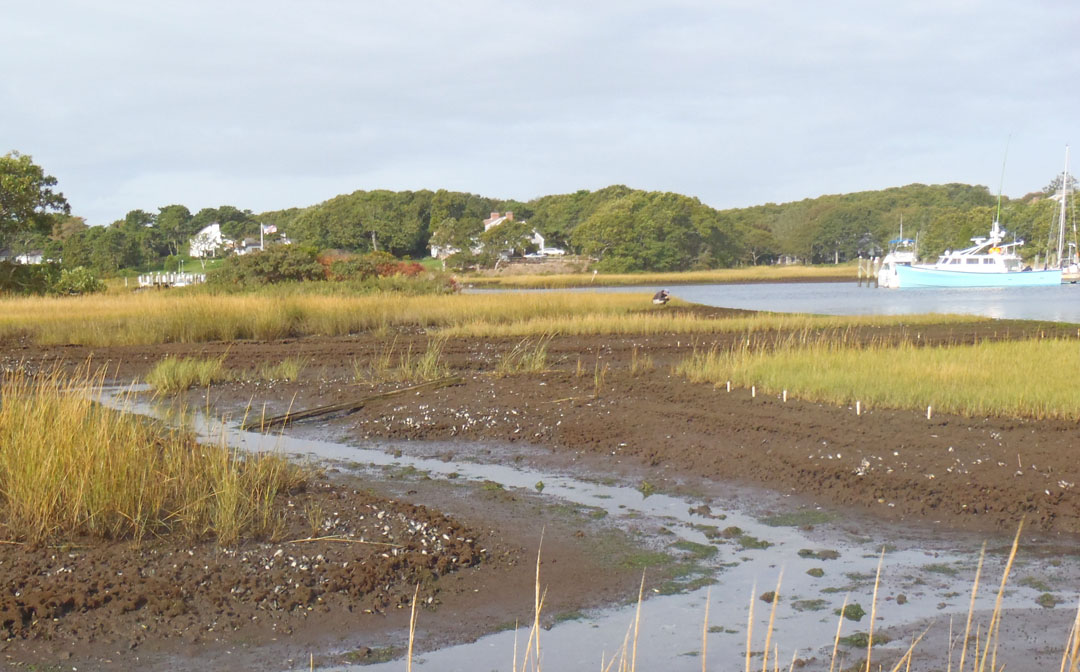
Denuded marshland. Photograph courtesy of the Bertness Lab at Brown University.
Although the legislation was helpful for preventing further habitat loss, the damage had already been done. Though marshland die-offs had previously been thought to have begun in the 1980s, the researchers saw clear signs of denuding in the 1976 photographs; from then on, some areas lost >90% of their vegetation. All of this can be traced back to the purple marsh crabs, which, when released from predation pressure by the activity of fishermen, chomped their way through the encroaching low marsh cordgrass.

The most interesting thing about these findings is not when, or the extent to which, this denuding occurred, but where. All 12 of the researchers' study sites had experienced some amount of mosquito ditching, but development and die-off only affected some of those sites. Specifically, sites with high levels (>5%) of development had much greater die-off than sites with low levels (<5%) of development. Further, analyses showed that there was a synergistic relationship between mosquito ditching and development: Areas with the worst die-offs were those with both high levels of ditching and lots of development. These were the areas where anglers could fish most easily, and where the suddenly predator-less purple marsh crabs could find the largest amounts of low marsh cordgrass to eat.

Schematic showing how recreational fishing removed key predators of the purple marsh crab, thus allowing it (and other herbivorous relatives) to proliferate and eat its way through the low marsh cordgrass. Image courtesy of the Bertness Lab at Brown University.
The authors point out that, on its own, mosquito ditching was actually a "fairly benign" practice, and only became problematic when it was coupled with development. The introduction of the second type of disturbance created "diverging pathways" for the habitat, enabling crabs to enjoy the cordgrass buffet offered by highly-ditched, highly-developed areas that facilitated fishing activities. Without taking such a long-term, historical ecological view of the ecosystem, researchers might not have realized all the factors involved in the recent vegetation die-offs. The results highlight how some disturbances result in "unanticipated or novel outcomes" that can "remain wholly or partially unrealized and become apparent only following subsequent impacts or environmental changes." In this case, the latent disaster of the mosquito ditches only became a reality after nearly four decades of coastal development.

Based on these results, the scientists emphasize how important it is to see human impacts as "interactive effects of multiple disturbances," rather than looking at each disturbance in isolation. This is increasingly the mindset of researchers working in other habitats, as well--for example, urban ecologists who are now appreciating the combined effects of light, noise, and chemical pollution, along with physical habitat disturbances such as traffic and construction.

According to another publication by the current study's authors, invasive green crabs can help stem the Cape Cod die-offs--though these exotic animals may also have additional, unwanted, effects on the ecosystem. Image courtesy of Northrup Photography.
The researchers do not offer any new management solutions for the Cape Cod problem--that is an issue they have already written about elsewhere (see here and here for examples). Instead, the main point of their current paper is to show how their historical ecological techniques allowed them to pinpoint three major phases in marshland disturbance, as well as highlight the interconnectedness of those three types of disturbance. These patterns, the researchers say, allow them to "demonstrate that the ability of ecologists to understand and predict the consequences of future development on ecosystems is dependent on an understanding of the accumulation of latent human impacts already affecting them."

---
If you enjoyed this article, you may want to visit the Anthrophysis Facebook page!

Coverdale, T.C., Herrmann, N.C., Altieri, A.H., and Bertness, M.D. 2013. Latent impacts: the role of historical human activity in coastal habitat loss. Frontiers in Ecology and the Environment 11(2):69-74.


Saturday, 25 May 2013

Should traditional management practices be reintroduced into preserves?

For many of us, the term "nature preserve" tends to conjure up an image of a wild landscape that is either unmanaged or only lightly managed, and is undisturbed save for the quiet footfalls of the occasional hiker. While it's true that this picture does reflect conditions in a number of contemporary preserves, it wouldn't have been so accurate when these areas were first protected; further, this scenario may be just as "unnatural" as the highly disturbed, homogeneous landscapes that preserves are created to prevent.

Why? Because humans have been managing the land for thousands (in some places, tens of thousands) of years, and many of the species impacted by our activities have adapted to thrive under some level of environmental disturbance. In places where humans had little or no effect, other animals and processes have played a similar managerial role, keeping some species in check and allowing others to thrive. Many contemporary preserves lack these sorts of disturbance, and may be the poorer for it.

Cattle grazing, mowing, and haying are all traditional management techniques that may improve biodiversity in nature preserves. Further research is needed to understand potential drawbacks of these methods, and to compare them to alternatives.

This is an issue that has previously been addressed by botanists, historians, and anthropologists (for example, in M. Kat Anderson's Tending the Wild), but has not received much serious consideration from conservationists. A recent review in Biological Conservation, however, seeks to synthesize the existing literature and highlight the myriad ways in which traditional land management techniques might contribute to biodiversity and ecosystem stability in nature preserves.

Author Beth Middleton, of the United States Geological Survey, begins by pointing out that disturbances are a fact of life in all ecosystems. Things like wildfires, extreme storms, and grazing animals help shape habitats by killing off or reducing the growth of some organisms, thus allowing others to gain or keep a foothold. Early human management techniques (including periodic burning of meadows, grazing of small herds of cattle, wood cutting, and haying) may have had similar environmental effects by mimicking the effects of non-anthropogenic disturbances. More recently, however, we have generally attempted to protect parks and preserves from all such perturbations--thus potentially allowing dominant species to become so successful that they exclude other organisms. This is particularly problematic when the excluded organisms are protected species.

Some human disturbances mimic natural processes more than others. On the shores of this subterranean Californian soda lake, the more moderate management practices of indigenous Americans were replaced by more intense disturbances such as road and building construction.

Middleton is quick to stress that use of traditional management in preserves is a complex issue. For one thing, it may be difficult to convince people that their local nature preserve should be open to grazing by cattle, or that it is a good idea to allow loggers to periodically cut down a few trees. (In fact, Australian conservationists argued against these ideas in a recent essay posted on The Conversation.)

That said, a wide range of international studies suggest that traditional management could have major benefits. Low levels of cattle grazing, for example, have been found to promote biodiversity, and, in particular, to help rarer species thrive; this may be mediated by reductions in shrubby growth and dispersal of seeds in cattle dung. Some preserves have been created out of areas that were once heavily managed (for example, land that had previously been communally farmed by citizens of the former USSR). In these sites, maintenance of some level of disturbance can prevent macrophytes from encroaching and preventing the growth and persistence of smaller vegetative species. Middleton notes that the benefits of disturbance extend not just to plants, but also species that depend on vegetation for sustenance and shelter--including, for example, both insects and the organisms that feed upon them.

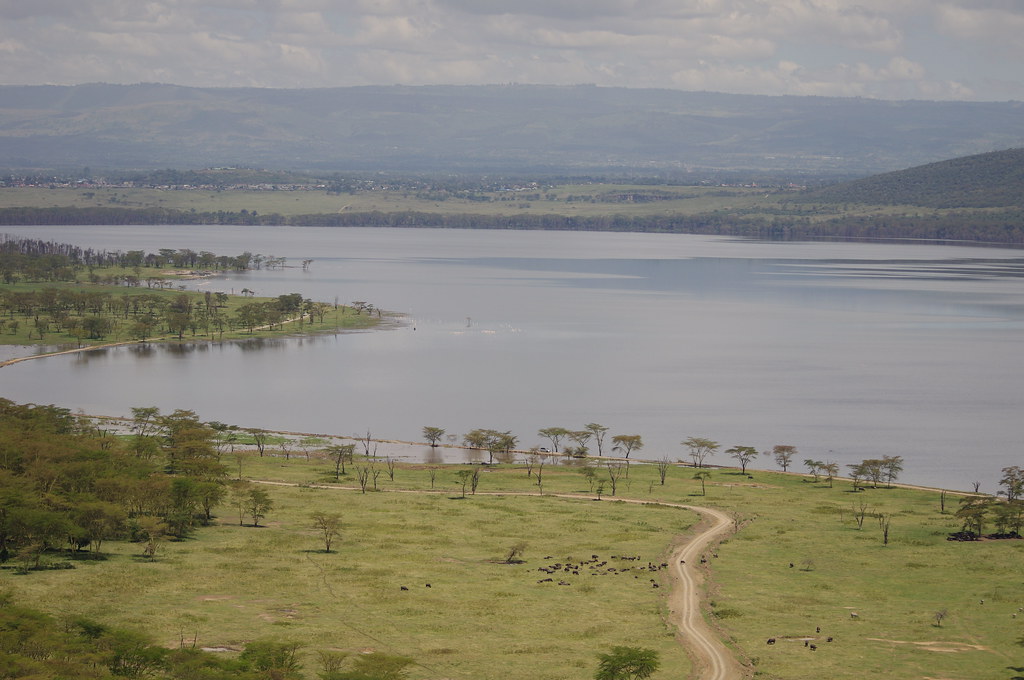
Fencing around Lake Nakuru, Kenya, excludes cattle and ensures that all resources can be utilized by native ungulates. Elsewhere in Kenya, the pattern is reversed, and in some places both types of animal can be found together.
Reintroduction of traditional management techniques is no simple matter, and Middleton describes the need for additional research. Particularly tricky is figuring out whether certain habitats were maintained by a single disturbance or an interaction between multiple different perturbations. In North America, for instance, prairies were impacted by both bison grazing and wildfires. While cattle might be adequate stand-ins for bison, the ecosystem might look quite different from its prehistoric form without the action of periodic fires. Further, cattle might have different grazing patterns than bison and could therefore have unanticipated side effects--such as inadvertently damaging insect populations by eating larvae attached to the vegetation. The impacts of reintroductions are likely to be influenced by a myriad of factors, including soil quality, plant growth patterns, humidity, and rainfall. Managers would probably need to rotate herds between different sites, and use fences to prevent overgrazing and physical damage. Another solution might be temporary introductions, where domestics like cattle and goats are brought in just long enough to nibble away any problematic woody vegetation--after which they are removed from the habitat.

A number of preserves have already successfully experimented with traditional grazing practices; non-livestock solutions such as haying and light mowing have also been advocated (for the protection of orchids in Europe, for example). For each of these techniques, it will be important to understand how much management is useful, and whether these practices are maximally beneficial at certain times or places. Biodiversity may peak just after mowing, for instance, but then decrease again as the grasses rebound to their original growth; meadows and fens may benefit more from traditional management than, say, wooded areas.

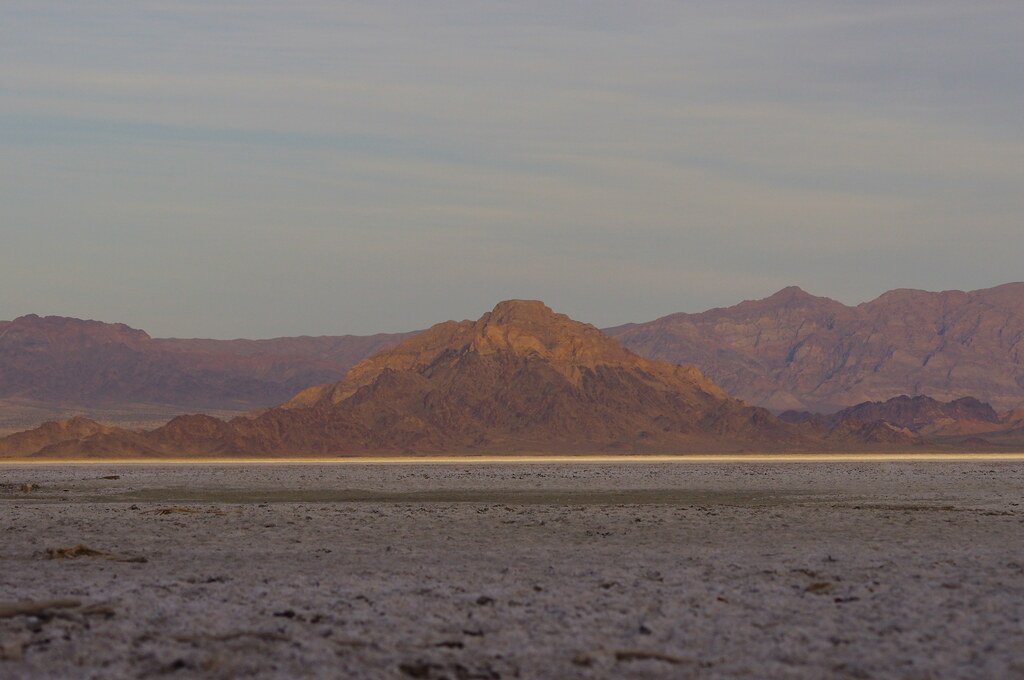
Some environmental disturbances are more extreme than others; both the geography and vegetation of the Mojave National Preserve have been significantly impacted volcanic activity.

The bottom line, says Middleton, is that we need to determine "what constitutes a natural disturbance, and how important [these are] in maintaining biodiversity in worldwide ecosystem types." We need additional studies examining the effects of small-scale cutting, grazing, and prescribed fire efforts, and we need to compare the outcomes of these practices with conditions from "prehistoric, indigenous, traditional agriculturalist, and contemporary times." Middleton argues that, rather than selecting regional-specific techniques for each preserve, we should create a global toolbox of techniques that can be used anywhere that management is needed. Once that has been achieved and we have a firm grasp on the science, we'll need to tackle the equally difficult task of convincing the public that these methods can protect biodiversity and preserve the integrity of natural areas.


Note: Some concepts/points that are not specifically attributed to B.A. Middleton may have been inspired by ideas from Kat Anderson's Tending the Wild.

---
If you enjoyed this article, you may want to follow the Anthrophysis Facebook page.

Middleton, B.A. 2013. Rediscovering traditional vegetation management in preserves: trading experiences between cultures and continents. Biological Conservation 158:271-279.

All photos by Flickr user specialagentCK.

Thursday, 23 May 2013

Does tourism revenue help birds in protected areas?

How much does tourism help fund bird conservation? Given the continuing boom of the "avitourism" industry, this sounds like the sort of question to which both environmentalists and entrepreneurs should know the answer. However, while researchers have performed calculations investigating the availability of tourism revenues for mammal and frog conservation efforts, nobody has explored similar trends in other taxa--or, to be more accurate, nobody had explored those trends until a group of Australian scientists recently decided to crunch the relevant numbers. The results of their analyses were reported earlier this month in the journal PLoS ONE.

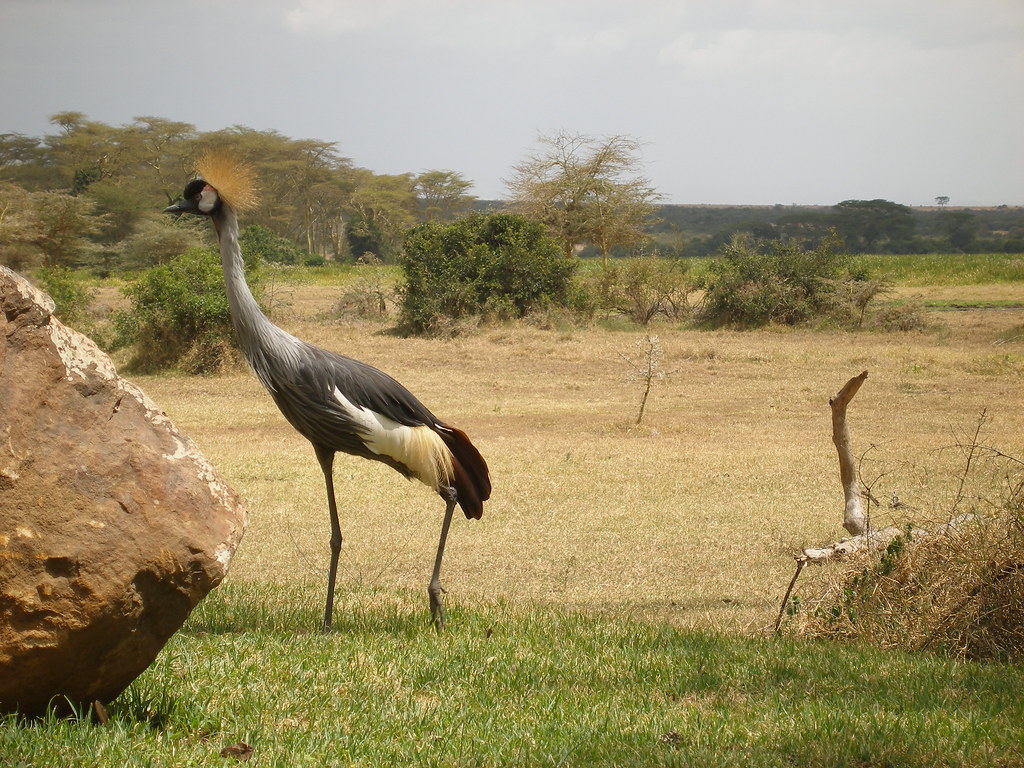
(Grey-crowned crane living in the Kenya's Solio Game Preserve)

To make their study question a bit more manageable, the researchers focused on only a subset of all the 10,000-some extant bird species in the world and on only a portion of all the habitats in which these animals live. First of all, the researchers explored statistics relating only to the 562 species currently classified as Critically Endangered (CE; 190 species) or Endangered (EN; 372) on the IUCN Red List of Threatened Species. They also only counted tourism revenue generated by activity in one of the 120,000 or so protected areas (or 13% of all terrestrial habitats) established around the world. Cumulatively, these techniques should result in a conservative estimate--or a worst-case scenario--of how much the tourism industry actually contributes to avian conservation.

Revenue data were obtained from a variety of financial records published by individual parks and agencies. These allowed the researchers to calculate R, the proportion of park funding generated by tourism activity. This value was calculated across entire countries to account for the fact that conservation agencies often distribute funds to multiple different locations. However, the scientists also calculated what proportion of each individual park's revenue was generated by tourism. This was entered into a relatively simple equation (also incorporating data on the size of birds' global populations and the size of their populations within protected areas) that yielded T, the proportion of each bird species' global population that is protected by tourist activities.

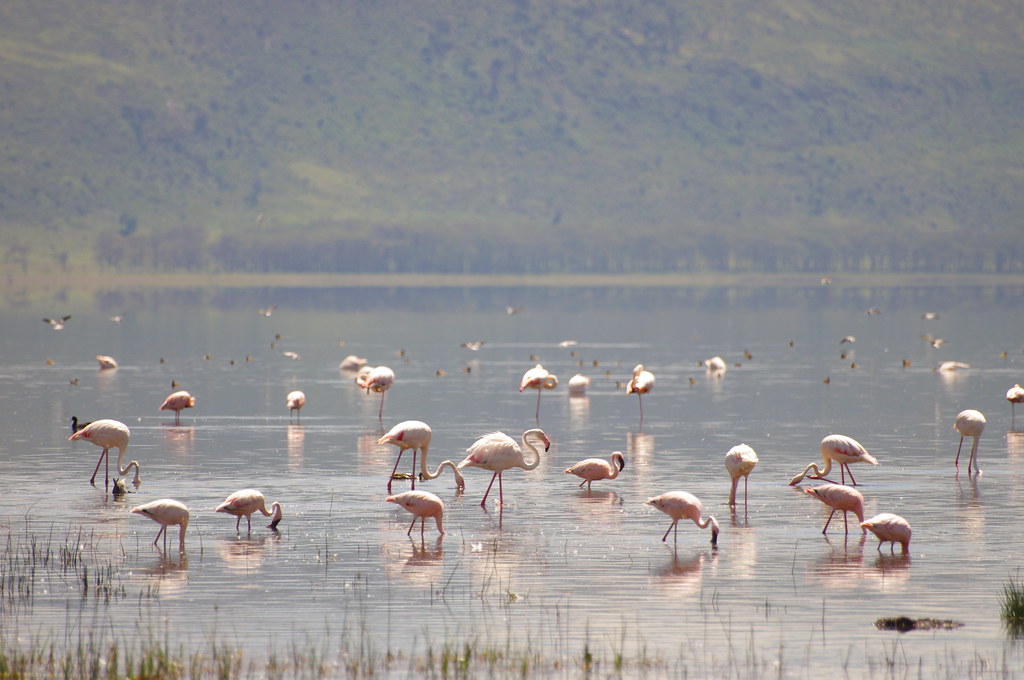
(Flamingos feeding in Lake Nakuru, Kenya)

The financial contributions of tourist activities varied hugely between protected areas. Some sites received no revenue from tourism, while other sites were completely funded by visitors; R values generally fell somewhere between 5 and 80%. Private reserves were particularly likely to earn a substantial portion of their income from tourists. Protected areas in African countries had the greatest tourism support (36-81%), while those in the most developed countries had the least (generally <15%). The low R values calculated in more developed areas likely reflects the fact that the governments of these nations tend to subsidize conservation work with earnings from federal taxes, while developing countries tend to be much more reliant on tourism earnings.

Population data were not available for all 562 CE and EN bird species originally selected for the study, but the authors were still able to investigate trends associated with 131 local subpopulations of 91 species. Calculations revealed that tourist activities helped support the protection of anywhere from 0-64% of each species' global population. A handful of species were at either end of the tourism support spectrum, receiving either no help from visitor revenue (n = 9) or having over a fifth of their global population supported by tourism (n = 8); the bulk of species (n = 50), however, fell somewhere in between these two extremes. Notably, T was significantly greater for CE species than EN species, indicating that tourism revenues are extremely valuable for helping preserve the most at-risk birds.

 (Speckled mousebirds on Mount Kenya)

Overall, the study reveals a number of surprisingly low R and T values. While it may be tempting to interpret these as an indication that tourism revenue is not generally that significant, it is important to note that the researchers identified 41 species for whom >10% of the entire global population relies on tourism revenue; decreases in visitor spending could have catastrophic impacts on the protection of these birds. Perhaps even more importantly, the countries with the highest R values are developing nations that likely do not have alternative sources of funding to devote to conservation efforts. In these nations, tourism revenue is probably a lifeline not only to threatened bird species, but also the locals who make a living by catering to visitors. It is also important to keep in mind that ecotourism is still a growing industry, suggesting that, in some areas at least, R (and maybe also T) will continue to increase over time.

Of course, there are some drawbacks to relying on ecotourism to sustain conservation efforts. For one thing, an increased number of visitors can lead to a decreased quality of life for endangered animals, to the point that the gains in revenue may not actually lead to improvements in species numbers. Another issue is the unpredictable and volatile nature of the tourism market, which can be influenced by uncontrollable factors such as weather. In the future, the researchers hope to utilize more detailed and sensitive calculations that might potentially allow them to take these sorts of trade-offs into account in their models.

(Guillemots and razorbills in the Isles of Scilly, UK)

Perhaps a more important thing to focus on right now, though, is the authors' finding that 43% of their 562 focal species seem to exist wholly outside the boundaries of protected areas, and thus may receive no real conservation help at all. Of the species that are found in protected areas, there are a number that live in only a single preserve. Together, these results suggest that avian conservation efforts could be vastly improved, regardless of how they are funded. As we set out to rectify this problem, we might consider focusing on island habitats and wilderness areas found in South America; these are the two types of environment in which there appears to be the greatest need for increased habitat protection. As the authors point out, the large number of threatened animals living outside of formally protected areas also emphasizes the importance of generalized efforts to increase biodiversity, rather than action plans that are focused only on particular tracts of land.

---
If you enjoyed this article, visit the Anthrophysis Facebook page for more!

Steven, R., Castley, J.G., and Buckley, R. 2013. Tourism as a conservation tool for threatened birds in protected areas. PLoS ONE 8(5):e62598.

All photos by me; more can be seen on my flickr photostream.

Wednesday, 22 May 2013

Could roadways actually be good for wildlife?

You might interpret roadkill as a sign that highways are bad for wildlife, but it's possible these carcasses actually indicate that roadsides are attractive habitats that can support a large number of individuals. That's one interpretation, anyway, of a new study investigating small mammal populations living along highways in central Spain.

(Roadside verge. Image courtesy of Flickr user hedgerowmobile.)


The study was performed by a trio of Spanish researchers who counted the abundance of three small mammal species--wood mice, greater white-toothed shrews, and Algerian mice--living along a busy roadway in an area classified as a Site of Community Importance. Over a period of two years, the scientists logged an impressive 8,640 trap-nights, using bits of fried bread to entice animals into captivity. Traps were distributed in 50-m bands located at three distances from the road: 0-50 m away, 500-550 m away, and 1000-1050 m away. The researchers also performed habitat surveys in 5-m circles centered on each trap. They classified habitats by type (e.g., bare ground vs. woodland), and then measured the height of any vegetation located in the circle.

Over the course of the study, the research team captured a total of 1,004 individuals, the vast majority (94.4%) of which were wood mice. Because of this skew, several of the further analyses were only performed on wood mouse data. Contrary to what you might expect, more mammals were captured nearer the road (in the 0-50 m band) than farther away. This was true in both years of the study even though an apparent population crash caused overall mammal numbers to drop in the second year. One interesting result of this crash was that it highlighted just how common the animals were near the highway: During the first year of the study, the ratio of mammals captured in the 0-50 m band relative to the other two bands was 3:2; during the second year, it jumped to a whopping 9:2. Cumulatively, these results suggest that the road verge acts as a refuge for the animals.

(Wood mouse, Apodemus sylvaticus. Image courtesy of Wikipedia.)


This pattern held true regardless of vegetation characteristics, though mice were particularly common in areas with dense scrub cover and higher grass and trees--areas, in other words, where the animals felt relatively safe and sheltered. These microhabitat effects are some of the first documented in the context of road-effects studies; they are also the only patterns measured in woodland areas rather than extremely human-disturbed areas or in deserts. In the future, it should be interesting to collect similar data in other types of habitats in order to see whether road effects vary across the landscape.

As for the current study, the authors believe that the most parsimonious explanation of their results is that predation pressures are lower near roads, thus allowing local populations to become more dense. Support for this is provided by the high proportion of roadside juveniles: This age class is one of the most susceptible to predators, so the commonness of young mice in verges indicates that less predation is occurring there. A road-mediated increase in survivorship could have beneficial cascading effects on the entire ecosystem--for example, by increasing the dispersal of seeds or the consumption of pest insects. The authors further suggest that we might even think about deliberately attracting small mammals to verges by manipulating the density and height of vegetation near roads.

(Zones with reduced speed limits might help protect animals living in roadside verges. Image courtesy of TRL.)


That, of course, still leaves the issue of roadkill, which will probably always be a negative side effect of roadways--even if it is not one that puts populations at risk of local extinction. As previous studies have suggested, it might be a good idea to consider mitigation techniques such as reduced speed limits, wider shoulders, and even fences in order to add further protection to roadside dwellers.

---
Ruiz-Capillas, Pablo, Mata Cristina, and Juan E. Malo. 2013. Road verges are refuges for small mammal populations in extensively managed Mediterranean landscapes. Biological Conservation 158:223-229.

Monday, 20 May 2013

Ecological gardening: beautiful and good for biodiversity

You may not think of private gardens as wildlife refugia, but an increasing body of scientific evidence suggests that these habitats can host a variety of species and act as stepping stones across landscapes that are otherwise dominated by human structures. To increase the effectiveness of gardens as havens for wildlife, many researchers have touted a management technique variously known as "wildlife gardening," "ecological gardening," and "naturalistic gardening." Whatever you call it, this method involves avoiding pesticides and mowing, using organic compost instead of industrial fertilizers, and providing habitat structures, such as ponds or wood piles, that provide food, water, and places where animals can take shelter.

(Example of a garden that has been ecologically managed. Photo courtesy of The Canadian and its primer on ecological gardening.)


Ecologically managed gardens often look more unkempt than those tended using traditional methods, and therein lies the problem...maybe. A pair of researchers from Europe recently explored whether gardeners might avoid ecological management techniques because they dislike the resulting appearance, or even because they are worried that their neighbors might frown upon an untidy lawn. The scientists also investigated whether ecological management directly impacts biodiversity and, if so, whether this can be detected by people who see the garden. Cumulatively, the answers to these study questions should help researchers better understand the psychological aspects of wildlife appreciation, thereby potentially allowing them to improve conservation practices.

The researchers conducted their study on a set of 36 focal gardens distributed across the canton of Zurich. Management regimes spanned the conventional-to-ecological spectrum--something that was specifically assessed using questionnaires asking garden owners to describe frequency of mowing and weeding, use of artificial fertilizers and pesticides, and presence/absence of beneficial "features" such as ponds, nesting structures, wood piles, and flower meadows. The questionnaires also collected more general information about the gardeners' psyches; for example, respondents were asked how ecologically-minded they considered themselves to be, and how much they cared about how others perceived their gardens.

(More traditionally managed gardens tend to be closely mown and frequently weeded, and may also be treated with artificial chemicals. Image courtesy of Garden Visit.)


All gardens were subjected to a 75-minute-long census during which researchers counted all native wild species that could be identified without the use of trapping or catching techniques; once the surveys were complete, the scientists also photographed the gardens. These images were later displayed to volunteers who were asked to rate each garden on a scale from "very ugly" to "very beautiful." The volunteers were also asked to select which of the following descriptors applied to each photograph: "species-rich," "species-poor," "colorful," "neat," "normal," "boring," "natural," "wild," "exotic," "special," "artificial," and "chaotic.

Across all focal sites, the ecological gardening index ranged from 0-11; however, the mean was 3.5, suggesting that the bulk of gardens tended to be fairly traditionally managed. Results from the gardener survey indicated that many people felt that ecological gardening was actually easier and less time-consuming than conventional gardening, though they wished they had more background information on this practice. People also indicated that they viewed gardens as important wildlife habitats, and that they would not mind the presence of a "wild" garden in their neighborhood. These are encouraging results given that the scientists found significantly more wildlife species in gardens that scored higher on the ecological management index; the presence of beneficial features (the most common of which were bird boxes and wood piles) was also significantly associated with higher species richness.

(Woodpiles like this one can act as miniature nature reserves; the BBC advocates woodpile construction as one of several outdoor activities that can both promote biodiversity and improve the quality of human interactions with wildlife. Image courtesy of Wikimedia Commons.)


People who viewed photographs of the gardens were generally very positive about their aesthetics, regardless of management regime. That said, there was a significant positive relationship between degree of ecological management and overall aesthetic rating. This appears to have been driven by the presence of particular features (ponds, for instance) rather than actual management regime. Gardens that received the highest aesthetic ratings were described as "species-rich, colorful, and natural." The surveys performed on these same gardens found that there were, indeed, high levels of richness, suggesting that viewers may have been responding, on some level at least, to the diverse array of wildlife shown in the photographs. Indeed, when asked to do so directly, respondents were generally able to identify which gardens were species-rich and species-poor; they could also determine which gardens had been subjected to ecological management regimes. Encouragingly, viewers frequently indicated that they recognized gardens as important habitats, and generally had no bias against the "wild, chaotic, and not neat" appearance of the gardens that had been most heavily ecologically managed.

Cumulatively, these results suggest that it is possible for habitats to simultaneously offer both ecological and aesthetic value, suggesting that it may not be hard to help wildlife by encouraging more gardeners to use ecological management techniques. Currently, though, these regimes are not common across Switzerland, prompting the study's authors to wonder whether people have a "not in my backyard" mentality, or perhaps have simply not yet learned enough about ecological management to think about using this technique on their property.

(Garden ponds can provide breeding habitat for invertebrates and amphibians, and also supply mammals and birds water for drinking and bathing. Image courtesy of Wikimedia Commons.)


Previous work has found that gardeners often mimic their neighbors--a phenomenon known as "garden contagion." This suggests that a few ecological management pioneers might be all that is needed to help this technique catch on, not just in Switzerland, but even across Europe. Increased popularity of ecological management would be good news for humans and wildlife alike: Lightly managed gardens could make significant contributions to the conservation and preservation of a variety of species, while humans could benefit from increased opportunities to see wildlife and experience the many health benefits associated with spending time in green spaces.

---
Lindemann-Matthies, Petra and Marty, Thomas. 2013. Does ecological gardening increase species richness and aesthetic quality of a garden? Biological Conservation 159:37-44.

Monday, 8 April 2013

Urban ecosystems: the final frontier?

This month's volume of Frontiers in Ecology and the Environment features a Trails and Tribulations essay that will likely hit close to home for any biologist who has worked in urban areas or places with high levels of human traffic. Titled "Trials of the Urban Ecologist," the piece is written by a group of researchers from the Center for Urban Ecology at Butler University (Indianapolis, IN, USA).

Image courtesy of the Urban Ecology Collaborative

The authors' interest in urban locations--which they refer to collectively as "one of the final frontiers of ecological exploration"--stems both from the fascinating ecological complexities of these sites and from practicality. As they point out, over half of all people now live in cities, making the continued health and stability of these environments a necessity. Traditionally, scientists were more interested in replicating studies from "natural" areas within city limits in order to compare the two and verify the universality of certain ecological principles; modern research, however, is increasingly geared towards appreciating and characterizing the novel ecology of highly anthropogenically disturbed areas. There is, of course, an added bonus for scientists whose institutions are located in or near cities (and for metropolitan residents who are keen to keep in touch with nature): Urban areas offer easily accessible places in which to observe wildlife.

All research sites offer their own difficulties, but, write Dolan et al., scientists who cut their teeth performing studies in remote wildernesses may require a period of adjustment when making the transition to urban areas. There, they may face novel difficulties including feral animals such as cats, dogs, and rats; theft of equipment and other research materials; habitat destruction by residents, developers, or caretakers; and even the release of animals captured for examination.

Image courtesy of Landscape Architecture Daily

While working in Indianapolis, the authors have experienced a number of frustrating setbacks that they appear to have taken in stride--and from which they have learned a great deal about the hazards of working in an urban environment. During one project, for example, a study site was bulldozed; during another, landscapers frequently mowed patches that were supposed to be left untreated. These sorts of situations highlight the necessity of good communication, diplomacy, and patience--all of which are especially important (and challenging) during projects that involve multiple stakeholders.

In fact, Dolan et al. say that one of the most important outcomes of their work in urban ecology is the development of "a deeper appreciation of what it means to be teachers, as [they] share [their] research directly and indirectly with urban residents." Educational moments may happen on a small scale, such as when researchers explain what they are doing to curious passersby, or on a much larger scale, such as when media coverage of urban studies provides residents with the knowledge and drive required to influence local management practices.

Image courtesy of Radix Ecological Sustainability Center

"Trials of the Urban Ecologist" is a timely essay, given the increasing popularity of urban ecology over the last several years (and decades). It reminds readers that anthropogenic habitats are just as interesting and important as those that are more "natural" and "wild"--and stresses how urban studies can have long-lasting and far-reaching implications for conservation, management, and sustainability.

---
Dolan RW, Carter T, Ryan T, Salsbury C, Dolan TE, and Hennessy M. 2013. Trials of the urban ecologist. Frontiers in Ecology and the Environment 11: 163–164.

Sunday, 3 February 2013

Bioremediation of used motor oil

What happens to used motor oil after it leaves our cars? That's a question that many of us don't stop to ask, but hopefully the answer is that it is taken to a recycler to be cleaned for future reuse. However, even if the oil handled in the most responsible way possible, chances are that a bit gets dribbled on the ground during the transfer from car to container. Places such as car dealerships and body shops will likely see a number of these dribbles over the years, potentially leading to an unhealthy buildup of oil residues in nearby soils. Some of this buildup may remain local, but some can dissolve in water and make its way into the tissues of plants and animals--where the heavy metals it contains can wreak havoc on their health and fitness.

(Changing motor oil. Image courtesy of Motorcycles Online.)


There are a number of options available for cleaning up oils before they can do too much damage, but these may have drawbacks: Some are quite expensive, others may have negative ecological side effects, and still others may simply remove oil from one location to another. One of the most promising genres of treatment is bioremediation, or the use of microorganisms that metabolize pollutants and release harmless end products in their place. This process can be facilitated by encouraging the growth of indigenous bacterial species (biostimulation), adding new species to the contaminated site (bioaugmentation), and/or altering environmental conditions to speed the growth of bacterial colonies. Although this sounds fairly straightforward, it is still necessary to identify the conditions under which microorganisms can most efficiently clean contaminated soils.

This was the goal of a team of Nigerian researchers who recently utilized aerobic fixed bed bioreactors to investigate the efficacy of six different bioremediation techniques. Their findings, published in the most recent edition of Bioremediation & Biodegradation, indicate that biostimulation may be the way forward--though they admit that further work will be necessary to hone their "recipe" and develop a larger-scale system for decontaminating large amounts of soil.

(Bacillus subtilis, a microorganism commonly found in oil-contaminated soil. Image courtesy of Wikipedia.)


The team's research utilized samples collected from a Nigerian auto repair shop--one of several locations surveyed in a preliminary study exploring the "similarities and major differences in physicochemical and microbiological characteristics" of polluted soils. All samples were moistened with water, but other aspects of their preparation differed markedly. Some were subjected to heat sterilization in order to kill off endogenous (Bacillus subtilis and Micrococcus leteus) bacteria, others were given a dose of exogenous bacteria (B. subtilis and Pseudomonas aeruginosa), some received nutrient-rich fertilizers, and others experienced some mixture of these treatments.

The researchers prepared a total of six samples, all of which were placed in separate aerobic fixed bed bioreactors--or, in other words, oxygen-containing containers that remained stationary for the duration of the 70-day experiment. Every 10 days, the team collected measurements reflecting soil conditions, bacterial activity, and success of the bioremediation effort. While readings on temperature, moisture content, and pH were all useful for confirming that the bioreactors were facilitating the optimal environment for bioremediation (26-32 C, 10-20% w/w, and 5.5-8.5), perhaps the most exciting results were those indicating the extent to which the bacteria actually removed oil from the soil.

(Example of a bioreactor. Image courtesy of Wikipedia.)


Petroleum hydrocarbon levels decreased in all six treatment groups, from a range of 169-326 down to 54-129 mg/kg dry weight; this represents a change of 49-72%. The greatest decreases were seen in treatment group 3 (soil + heat sterilization + water + exogenous bacteria) and treatment group 6 (soil + water + two different fertilizers), while the least amount of change was observed in the control group (soil + water + heat sterilization). Motor oil can have fairly low levels of petroleum hydrocarbons, and so a better measure of bioremediation success is change in oil and grease content. When the researchers examined this metric, they again found that treatment group 6 was a top performer, experiencing a 75% reduction (38,592 to 9,830 mg/kg dry weight) over the course of the study. For all soil samples, speed of removal was highest during the first five weeks of the study, after which it slowed markedly.

Based on their findings, the research team concluded that a full-scale bioremediation technology should involve the conditions found in their sixth treatment group. However, they also suggest that they might be able to further optimize their method by adjusting moisture content and, especially, experimenting with different types of fertilizer; while they dosed their samples with NPK and KH2PO4, alternative varieties might improve the efficiency of hydrocarbon removal.

---
Abdulsalam S., Adefila S.S., Bugaje I.M., and Ibrahim S. 2013. Bioremediation of soil contaminated with used motor oil in a closed system. Bioremediation & Biodegradation 3(12):1000172.